
Blog
What Will a Landscaper Do in Central Texas
Plain answer to what a landscaper can do, what changes the scope, and when Central Texas homeowners should ask for landscape design or installation help.
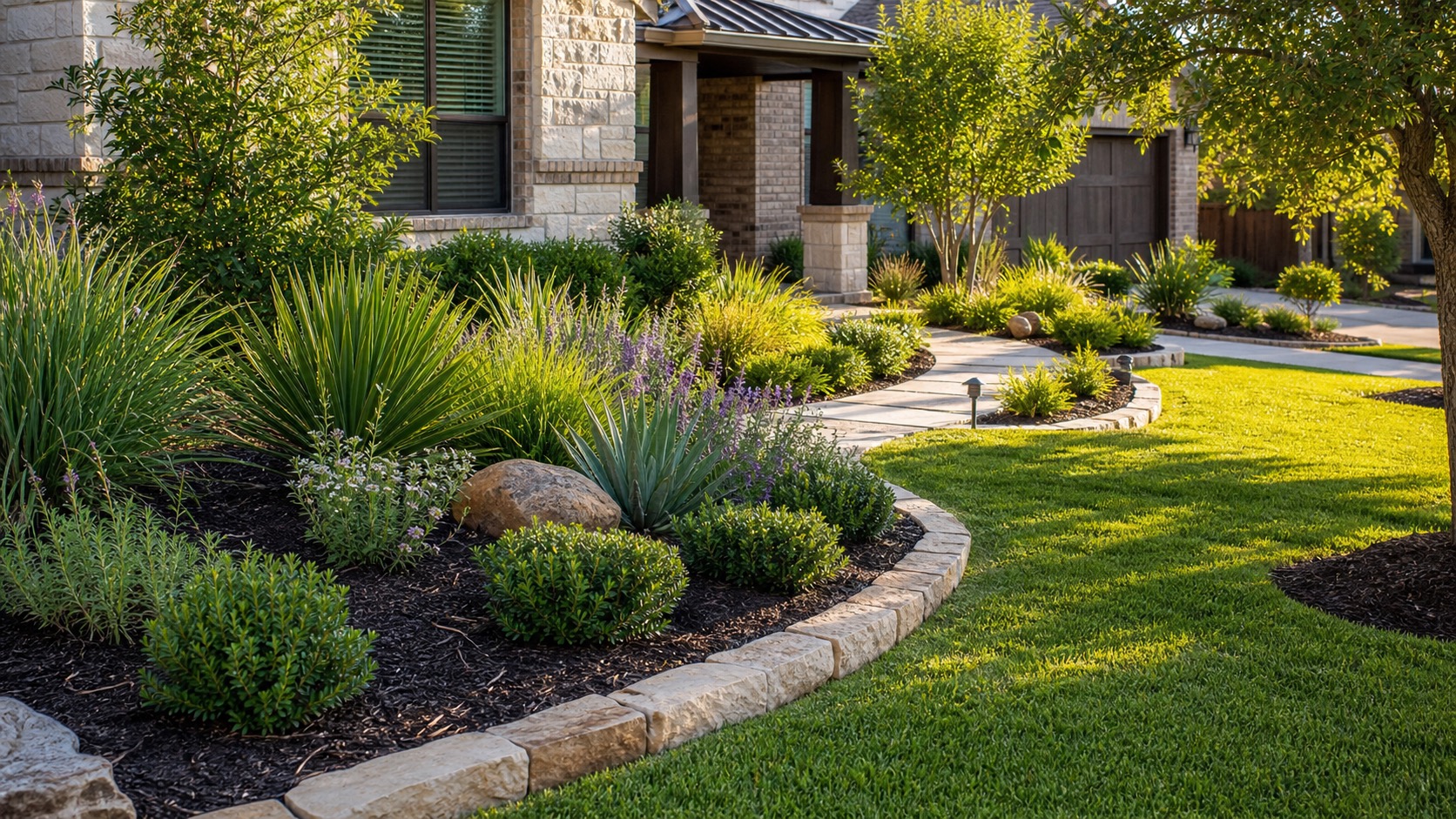
A landscaper can do more than mow, plant, or spread mulch. For a Central Texas homeowner, the useful work is usually figuring out what the yard needs first: grading, drainage, irrigation, soil prep, plant selection, hardscape edges, sod, cleanup, or a full install plan.
The exact scope depends on whether you’re trying to fix a problem or improve the yard. A soggy side yard, bare spots under shade, dying shrubs, and a blank new-build yard all need different conversations.
What a Landscaper Usually Handles
Most landscape projects start with a walkthrough. The landscaper looks at sun, shade, slope, water flow, existing plants, access, and how the yard is used. That matters because a pretty design that ignores runoff or irrigation can fail fast in this part of Texas.
From there, the work may include bed layout, plant selection, sod or turf areas, mulch, rock, edging, drainage corrections, irrigation adjustments, tree and shrub placement, and cleanup. Some jobs are design-heavy. Others are mostly installation or repair.
If you’re comparing design and install options, the service guide on landscape design vs landscape installation in New Braunfels is the better next click.
What They May Not Do
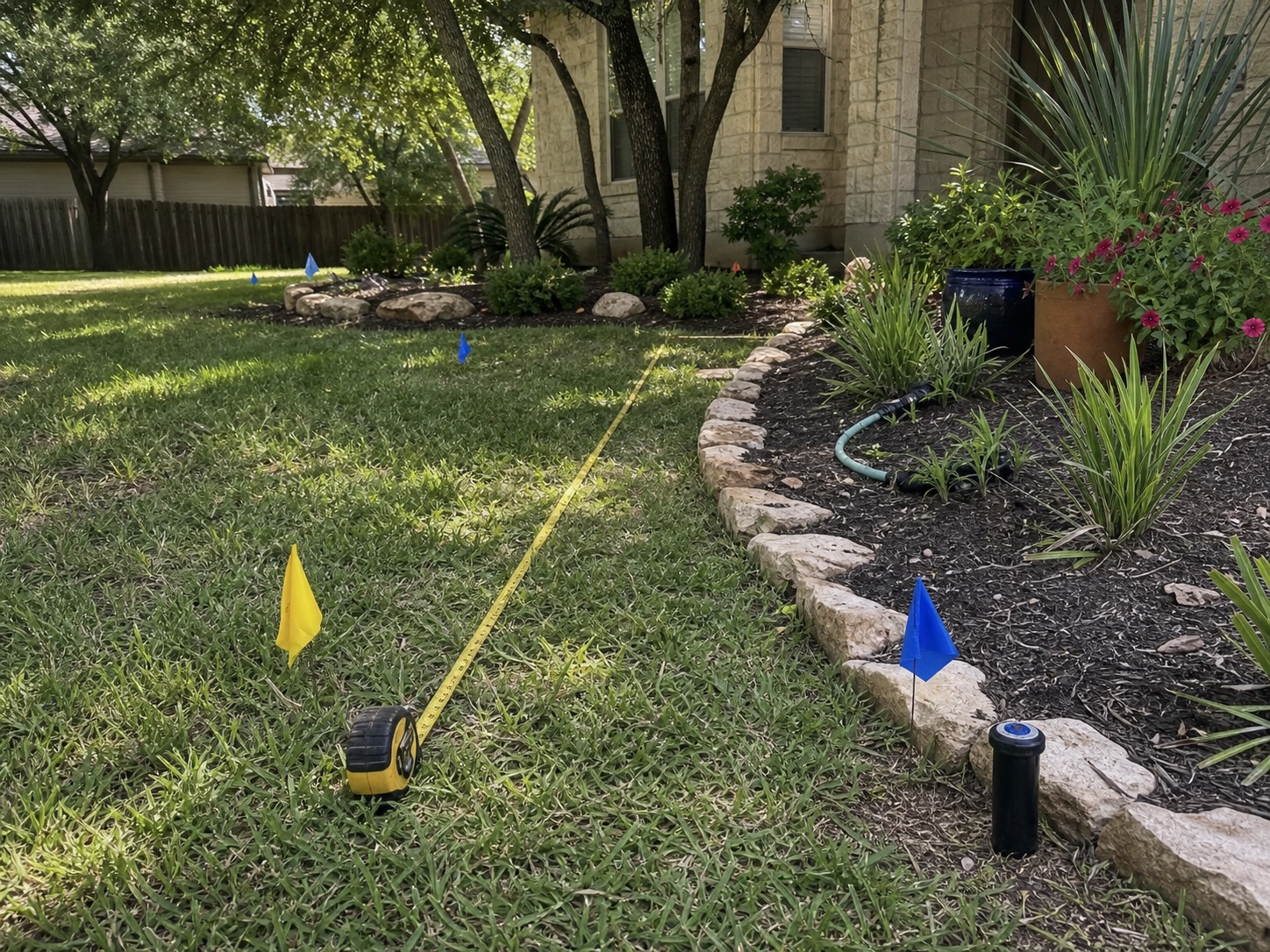
Not every landscaper handles the same work. Some crews focus on maintenance. Some handle full installs. Some can adjust irrigation, while others bring in a separate irrigation specialist. Retaining walls, major drainage work, electrical lighting, and structural hardscape may need a contractor with the right license or trade experience.
Ask what is included before you assume one crew covers everything. A clear scope should say who removes old material, who hauls debris, who buys plants, who handles irrigation changes, and what happens if drainage issues show up after digging starts.
What To Check Before You Call
- Walk the yard after rain and note where water stands.
- Take photos of sunny and shaded areas at different times of day.
- Mark the areas you want to keep, remove, or change.
- Decide whether you want lower maintenance, better curb appeal, usable outdoor space, or a specific repair.
- Write down gate widths, steep slopes, pets, parking limits, and access issues.
Those details help turn a broad landscaping question into a quote a local provider can actually price.
When a Landscaper Is Worth Calling
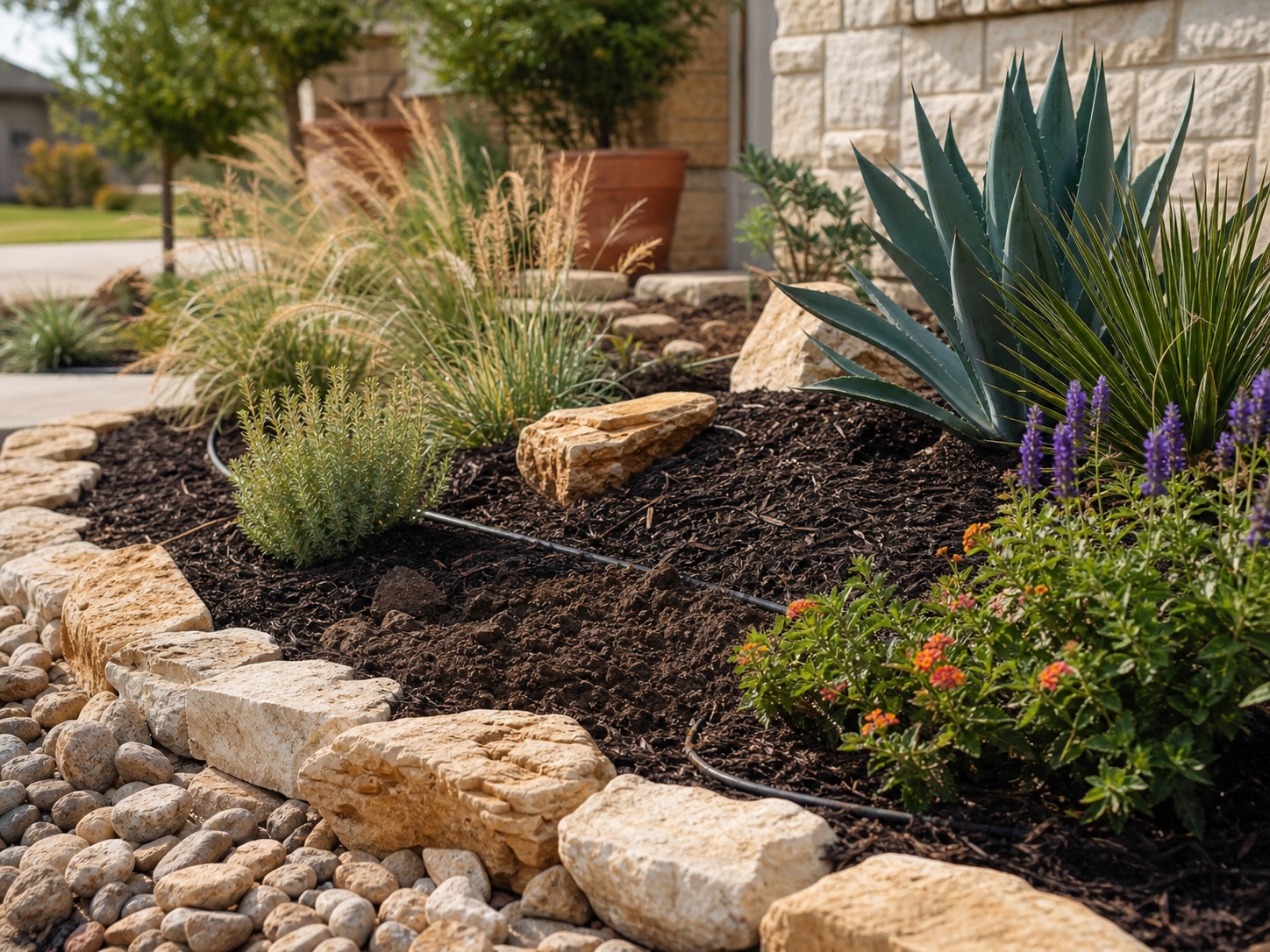
Call when the yard problem keeps coming back, when you need plant choices that match local heat and water limits, or when the job involves more than a weekend cleanup. A landscaper is also useful when you need the order of work sorted out. Drainage usually comes before sod. Irrigation should be checked before new plants. Bed shape should be planned before edging and mulch.
The most expensive version of a landscaping project is often the one done twice. A short planning conversation can keep the first step from creating the next problem.